

ENTRY/EXIT REQUIREMENTS
ENTRY/ EXIT REQUIREMENTS:
U.S. Citizens
U.S. citizens traveling to Japan for tourism do not need a visa for stays of less than 90 days. Travelers must have a valid U.S. passport that remains valid for the entire duration of their stay in Japan and should have proof of a return or onward ticket. Your passport should also have at least one blank page available for entry stamps.
Upon arrival in Japan, foreign visitors generally must provide fingerprint scans and have a photograph taken as part of the immigration process. Certain travelers, including minors and other exempt categories, are not subject to these requirements.
Travelers should make sure they do not remain in Japan beyond their authorized period of stay.
Travel Documents
Each traveler is responsible for ensuring that he or she has the proper and valid travel documents required for the entire journey, including a valid passport, any required visas, airline e-tickets, and other applicable travel documents.
If you are not a U.S. citizen, entry and visa requirements may be different. Please check with the Embassy or Consulate of Japan or the appropriate diplomatic or consular office well in advance of your departure to determine the requirements applicable to your nationality.
Entry and visa requirements are subject to change without notice. We strongly recommend checking the latest requirements before departure.
For the most current information, please visit:
U.S. Department of State – Japan Travel Information
https://travel.state.gov/en/international-travel/travel-advisories/japan.html
Ministry of Foreign Affairs of Japan
https://www.mofa.go.jp/
ARRIVAL
Please refer to the instructions given in your itinerary confirmation. If you cannot locate our representative, please call the local contact number specified on your voucher or confirmation itinerary for immediate assistance.
Country Information
Capital: Tokyo
Population: 122.70 million
Location: East Asia
Largest Cities: Tokyo, Yokohama, Osaka, Nagoya, Sapporo
Religion: Shintoism and Buddhism; Christianity and other religions are also practiced
System of Government: Constitutional monarchy with a parliamentary system
Currency: Japanese Yen (JPY / ¥)
Official Language: Japanese
Map of Japan
Time Zone
Japan operates on Japan Standard Time (JST), UTC+9, and does not observe Daylight Saving Time.
When it is 9:00 a.m. in Japan, it is:
- 7:00 p.m. the previous day in New York – Eastern Standard Time (EST)
- 6:00 p.m. the previous day in Chicago and Houston – Central Standard Time (CST)
- 4:00 p.m. the previous day in Los Angeles and San Francisco – Pacific Standard Time (PST)
- 2:00 p.m. the previous day in Hawaii – Hawaii-Aleutian Standard Time (HST)
Note: During Daylight Saving Time in most of the United States, the corresponding U.S. times shown above will be one hour later.
PRACTICAL INFORMATION
Travelers should be up to date on routine vaccinations before traveling. For current health information and recommendations for Japan, please consult the Centers for Disease Control and Prevention (CDC) at www.cdc.gov/travel.
Sightseeing may involve considerable walking, climbing stairs, getting on and off buses, trains, or boats, and walking on uneven surfaces. Some sightseeing locations may not have elevators or wheelchair access. Comfortable walking shoes are strongly recommended.
Bring all prescription medications in their original, clearly labeled containers and carry an adequate supply for the entire trip. Travelers carrying syringes, needles, or certain prescription medications should carry appropriate medical documentation and check Japan’s regulations before departure, as some medications legal in the United States may be restricted in Japan.
Tap water in Japan is generally safe to drink. Bottled water is also widely available in hotels, convenience stores, supermarkets, and from vending machines.
The official currency of Japan is the Japanese yen (¥), available in the following denominations:
Banknotes: ¥10,000, ¥5,000, ¥2,000, and ¥1,000
Coins: ¥500, ¥100, ¥50, ¥10, ¥5, and ¥1
You can exchange foreign currency at banks, currency exchange offices, major airports, and some hotels. Some hotels also have automated currency exchange machines available for guests.
Major credit cards, including Visa, Mastercard, and American Express, are widely accepted at hotels, department stores, and many restaurants. However, it is advisable to carry some Japanese Yen, as smaller restaurants, shops, and other establishments may prefer or require cash.
ATMs that accept international cards are also widely available, especially at convenience stores and post offices.
Exchange rates fluctuate. For the most current exchange rate, please check a reliable currency exchange website or your bank before departure.
Electrical service in Japan is 100 volts, with 50 Hz in eastern Japan (including Tokyo) and 60 Hz in western Japan (including Kyoto and Osaka).
Japan generally uses Type A outlets with two flat pins, similar to those in the United States. Most modern cell phones, laptops, cameras, and other electronic chargers are designed for 100–240 volts and can be used in Japan without a voltage converter. Please check the voltage rating on your device or charger before use.
Travelers with three-prong plugs should bring a three-prong-to-two-prong adapter. Appliances designed only for 120 volts may not operate properly in Japan.
Japanese cuisine emphasizes fresh ingredients, seasonality, presentation, and flavor. Rice is a staple of the Japanese diet, accompanied by a wide variety of fish, seafood, vegetables, tofu, meat, and noodles. Fish is commonly served grilled, cooked, or raw as sashimi and sushi. Other popular dishes include ramen, soba and udon noodles, tempura, yakitori, and Japanese-style curry. Western and international cuisine is also widely available, particularly in major cities.
Sake, a traditional Japanese alcoholic beverage brewed from rice, may be served chilled, at room temperature, or warm, depending on the type and personal preference. Beer is also very popular, along with a wide variety of other alcoholic and non-alcoholic beverages.
Tipping is generally not customary in Japan and may cause confusion. Hotels and upscale restaurants may add a service charge to the bill, so travelers should check their bill before making any additional payment.
The official language of Japan is Japanese. English is taught in schools and is spoken or understood to varying degrees, especially in major cities, hotels, airports, train stations, and popular tourist areas. However, English may be limited in smaller towns and local establishments.
Most major transportation hubs and tourist attractions provide English-language signs and information. Learning a few basic Japanese phrases can also be helpful and is greatly appreciated by local residents.
WEATHER
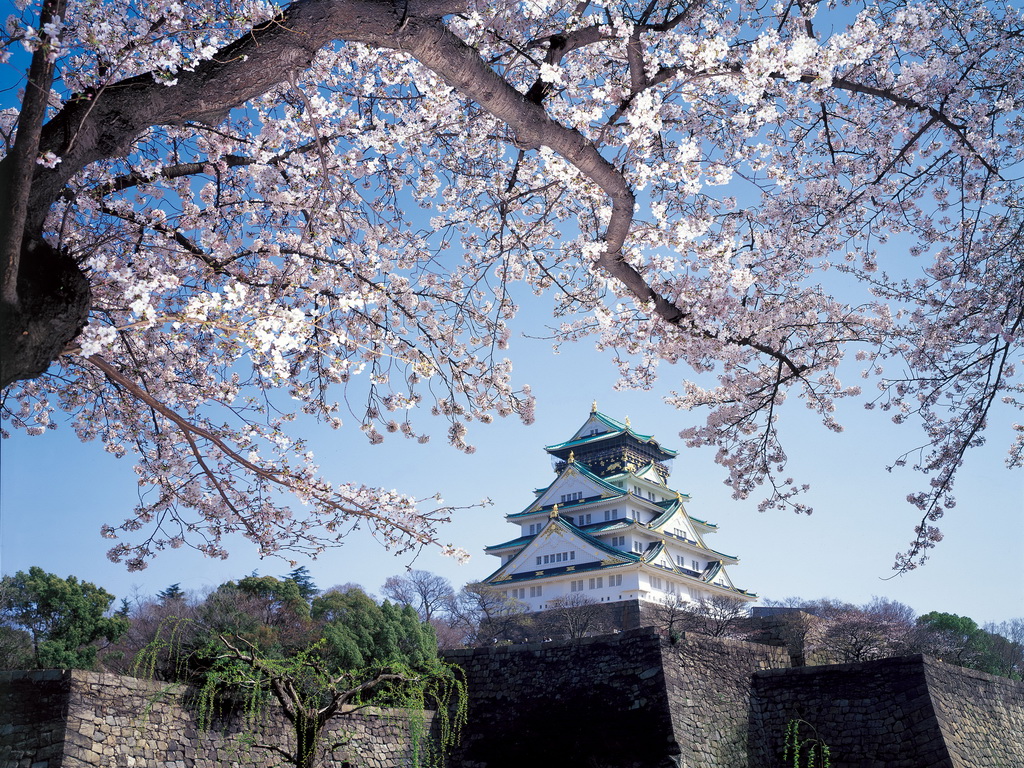
Japan has four distinct seasons, each offering a different travel experience. Spring (March–May) brings mild temperatures and is especially popular for cherry blossoms, which typically bloom at different times depending on the region and weather conditions.
Summer (June–August) is hot and humid. The rainy season typically runs from June through July in many parts of the country, followed by warmer summer weather. Typhoons may occur from summer through early autumn and can occasionally affect travel plans.
Autumn (September–November) brings cooler temperatures and gradually changing foliage, making it another popular travel season.
Winter (December–February) is generally cold and drier in many areas. Tokyo, Kyoto, and Osaka may experience cold but often sunny days, while mountainous and northern regions can receive significant snowfall.
Weather conditions and temperatures can vary considerably by region and elevation. We recommend checking the local weather forecast shortly before departure and packing accordingly.
Average Temperatures
All temperatures in Fahrenheit (°F)
| Month/City | Jan | Feb | Mar | Apr | May | Jun | Jul | Aug | Sep | Oct | Nov | Dec |
|---|---|---|---|---|---|---|---|---|---|---|---|---|
| Hiroshima | 34 - 49 | 34 - 50 | 39 - 57 | 48 - 67 | 57 - 75 | 66 - 80 | 74 - 87 | 75 - 89 | 68 - 83 | 56 - 73 | 46 - 63 | 37 - 53 |
| Kanazawa | 32 - 44 | 32 - 45 | 36 - 52 | 45 - 63 | 54 - 72 | 63 - 78 | 71 - 85 | 73 - 88 | 66 - 80 | 54 - 70 | 45 - 60 | 37 - 50 |
| Kyoto | 33 - 48 | 34 - 50 | 38 - 56 | 47 - 68 | 56 - 77 | 65 - 82 | 73 - 89 | 75 - 92 | 67 - 84 | 55 - 73 | 45 - 63 | 36 - 53 |
| Hakone | 37 - 50 | 37 - 51 | 41 - 56 | 50 - 65 | 58 - 72 | 64 - 76 | 71 - 83 | 73 - 85 | 68 - 79 | 59 - 70 | 50 - 62 | 42 - 54 |
| Nagoya | 32 - 48 | 33 - 50 | 38 - 57 | 48 - 68 | 57 - 76 | 66 - 81 | 73 - 88 | 75 - 91 | 68 - 83 | 56 - 73 | 45 - 62 | 36 - 52 |
| Naha | 58 - 67 | 58 - 67 | 61 - 71 | 66 - 75 | 71 - 80 | 77 - 85 | 80 - 89 | 79 - 88 | 78 - 87 | 73 - 82 | 67 - 76 | 61 - 70 |
| Osaka | 35 - 49 | 36 - 50 | 40 - 57 | 50 - 68 | 59 - 76 | 68 - 82 | 75 - 89 | 77 - 92 | 69 - 84 | 58 - 74 | 48 - 64 | 39 - 54 |
| Sapporo | 18 - 31 | 19 - 32 | 26 - 39 | 37 - 53 | 46 - 64 | 55 - 71 | 63 - 77 | 65 - 79 | 56 - 72 | 44 - 61 | 33 - 47 | 23 - 36 |
| Takayama | 21 - 37 | 21 - 40 | 27 - 48 | 36 - 62 | 47 - 72 | 58 - 78 | 66 - 85 | 67 - 87 | 59 - 78 | 46 - 67 | 35 - 55 | 27 - 43 |
| Tokyo | 35 - 50 | 36 - 51 | 41 - 56 | 50 - 65 | 59 - 74 | 66 - 78 | 73 - 85 | 75 - 88 | 69 - 81 | 58 - 71 | 49 - 62 | 39 - 54 |
OTHER INFORMATION
What you pack will depend on the season, destination, and personal preferences. We recommend packing light and bringing comfortable, casual clothing you can layer, as temperatures may vary throughout the day.
Comfortable walking shoes are essential because sightseeing in Japan often involves extensive walking, stairs, train stations, and uneven surfaces. Shoes that are easy to put on and take off are helpful, as you may be asked to remove your shoes when entering certain temples, traditional accommodations, restaurants, or private homes. A lightweight rain jacket or a compact umbrella is also recommended, particularly during the rainy season.
During the warmer months, bring lightweight, breathable clothing, sunscreen, sunglasses, a sunhat, and insect repellent. During the cooler months, pack warm layers, a jacket or coat, and other cold-weather clothing appropriate for your destination. A sweater or light jacket can also be useful year-round in air-conditioned buildings and on public transportation.
We also recommend bringing prescription medications, personal toiletries, and other essentials you may need during your trip. Most hotels provide basic toiletries, and many offer laundry or dry-cleaning services.
Japan is generally casual for sightseeing, though people tend to dress neatly and modestly. Comfortable, casual clothing such as shirts, polo shirts, slacks, jeans, and other appropriate seasonal clothing is suitable for most sightseeing activities.
When visiting temples, shrines, and other cultural or religious sites, wear respectful attire. Avoid overly revealing clothing and follow any posted dress or footwear requirements.
Some traditional restaurants, temples, ryokan, and other establishments may require you to remove your shoes before entering. Wearing clean socks and shoes that are easy to take on and off can be convenient.
For evenings at upscale restaurants or hotels, smart casual attire is generally appropriate unless a specific dress code is indicated.
Mobile phone and internet service are widely available throughout Japan, particularly in cities and major tourist areas. Coverage may be more limited in remote or mountainous areas.
Before departure, check with your mobile service provider about international roaming and applicable charges. Travelers may also consider purchasing an eSIM or a local SIM card for mobile data during their stay. Make sure your phone is unlocked and compatible before buying a local SIM.
Wi-Fi is widely available at most hotels and at many airports, train stations, cafés, restaurants, and other public locations. However, we recommend having mobile data available if you plan to use navigation, translation, messaging, or transportation apps while sightseeing.
When calling Japan from the United States, dial 011 + 81 + the Japanese telephone number, omitting the leading “0” in the area code. When calling the United States from Japan, dial 010 + 1 + area code + telephone number.
Internet-based calling and messaging services such as WhatsApp, FaceTime, and other apps can also be convenient when connected to Wi-Fi or mobile data.
In case of an emergency in Japan, dial:
Police: 110
Ambulance: 119
Fire: 119
If you need emergency assistance, you may also contact your hotel front desk or hotel staff, who can help you reach the appropriate emergency services.
A Geek in Japan by Héctor García — An engaging introduction to Japanese culture, customs, traditions, food, society, and everyday life. Easy to read before a first trip.
A Brief History of Japan by Jonathan Clements — A readable overview of Japan’s history, from its origins and samurai era to the development of modern Japan.
The Japanese Mind edited by Roger J. Davies and Osamu Ikeno — Explores Japanese values, customs, communication styles, social relationships, and cultural concepts, providing useful background for understanding Japanese society.